
Discover how virtual production is creating exciting new careers in animation, VFX, filmmaking, and digital content.
Introductions
The way films, television shows, advertisements, music videos, and digital content are produced is changing rapidly. One of the technologies driving this transformation is virtual production.
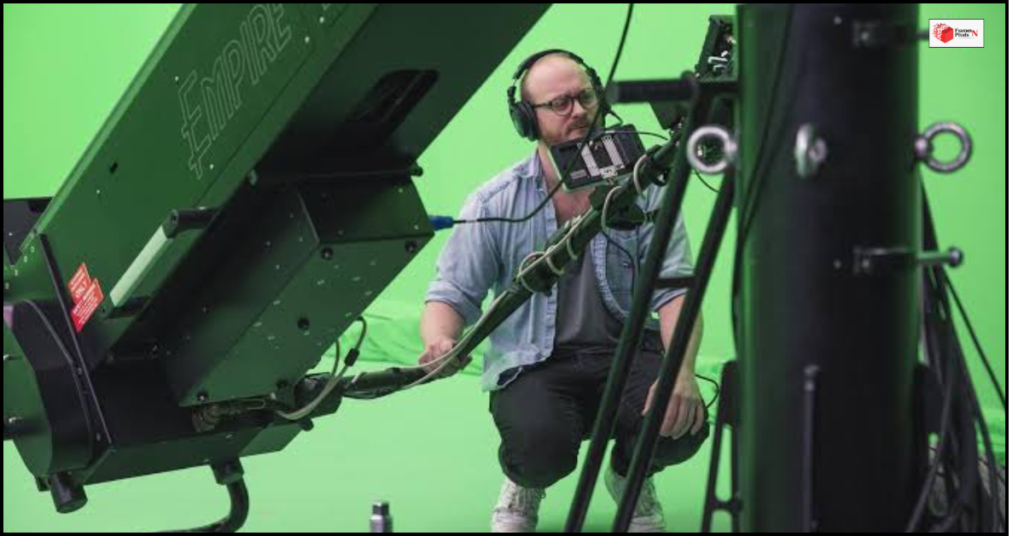
Virtual production combines traditional filmmaking with real-time digital technologies. It can bring together live-action performance, 3D environments, real-time rendering, camera tracking, motion capture, and visual effects. Unlike traditional workflows where many digital elements are finalized later, virtual production allows filmmakers to see and interact with digital environments during production.
This evolution is creating new career opportunities for people with skills in 3D animation, VFX, game engines, cinematography, lighting, environment design, technical art, and digital filmmaking.
For students interested in creative technology, virtual production represents an exciting career direction. Frames N Pixels can help aspiring creative professionals build relevant skills through practical learning and industry-oriented training.
What Is Virtual Production?
Virtual production is a filmmaking approach that connects the physical and digital worlds in real time.
It can involve:
- Real-time 3D environments
- LED walls
- Camera tracking
- Motion capture
- Virtual cameras
- 3D modeling
- Visual effects
- Real-time rendering
- Previsualization
- In-camera VFX
Real-time engines such as Unreal Engine have become an important part of modern virtual production workflows.
Instead of waiting until post-production to see how digital environments will look, filmmakers can often preview and interact with them much earlier in the process.
Why Is Virtual Production Growing?
Several developments have contributed to the growth of virtual production.
1. Real-Time Technology
Game engines can now create highly detailed environments and graphics in real time. This allows filmmakers and artists to experiment and make creative decisions faster.
2. Better Digital Environments
3D artists can create realistic locations, futuristic worlds, historical environments, and imaginary landscapes without physically traveling to every location.
3. LED-Based Production
LED stages can display digital environments around actors while providing interactive lighting and reflections. This can create a more immersive on-set experience than traditional green-screen workflows for certain productions.
4. Faster Creative Iteration
Virtual production allows directors, cinematographers, designers, and artists to preview ideas and make changes earlier, helping streamline certain parts of production.
Virtual Production Is More Than LED Walls
Many people associate virtual production only with LED screens. However, it includes a much broader workflow.
Virtual production can involve:
- Previsualization (Previs): Planning shots and sequences digitally.
- Virtual Scouting: Exploring digital locations before filming.
- Techvis: Testing the technical requirements of complex shots.
- Motion Capture: Recording movement for digital characters.
- Virtual Cameras: Exploring camera movements inside digital environments.
- In-Camera VFX: Combining physical and digital elements during filming.
- Postvis: Using digital elements to help visualize shots during post-production.
These different applications create opportunities for professionals with different skill sets.
Career Opportunities in Virtual Production
The rise of virtual production has created specialized roles as well as new applications for existing creative careers.
Potential career paths include:
Virtual Production Artist
Works with digital environments, assets, and real-time workflows to support productions.
Unreal Engine Artist
Creates and manages real-time environments, materials, lighting, animation, and other digital elements.
Virtual Art Department Artist
Works on digital environments and assets used to support the visual direction of a production.
Previsualization Artist
Creates digital versions of scenes to help filmmakers plan shots, camera movements, and sequences.
Technical Artist
Bridges the gap between artistic requirements and technical production, helping optimize assets and workflows.
Environment Artist
Creates realistic or stylized digital locations and environments.
Skills Needed for a Virtual Production Career
Virtual production is interdisciplinary, so professionals benefit from a combination of creative and technical skills.
1. 3D Modeling
Understanding how to create and prepare 3D objects and environments is valuable for digital production.
2. Unreal Engine
Knowledge of real-time engines is increasingly relevant to virtual production workflows.
3. Lighting
Lighting knowledge is important for matching physical subjects with digital environments and creating convincing scenes.
4. Animation
Animation skills are useful for digital characters, objects, cameras, and environmental elements.
Software and Technologies Used
Students interested in virtual production can explore several tools and technologies.
Popular areas include:
- Unreal Engine
- Maya
- Blender
- Adobe After Effects
- Adobe Premiere Pro
- Substance 3D tools
- Motion capture systems
- Camera tracking systems
- LED display technologies
Unreal Engine Virtual Production Resources
Learning the fundamentals of 3D, animation, filmmaking, and visual effects can provide a strong foundation before moving into more specialized virtual production workflows.
Why Animation and VFX Students Can Explore Virtual Production
Students with animation or VFX backgrounds already have several transferable skills.
For example:
3D Modeling → Digital environments and assets
Animation → Digital characters and movement
VFX → Digital integration and visual effects
Lighting → Realistic virtual scenes
Motion Graphics → Real-time graphics
Storytelling → Cinematic visualization
This makes virtual production a natural area for creative professionals who want to expand beyond traditional animation or post-production.
Virtual Production and the Future of Filmmaking
Virtual production is changing how creative teams approach filmmaking.
Traditional production often follows a linear path:
Pre-Production → Production → Post-Production
Virtual production can bring parts of these stages closer together, allowing teams to visualize and refine digital elements earlier.
This does not mean traditional filmmaking or VFX will disappear. Instead, virtual production adds another workflow that professionals can use depending on the creative and technical requirements of a project.
Why Students Should Consider Learning Virtual Production
Virtual production offers students an opportunity to combine multiple creative disciplines.
Learning it can help students understand:
- 3D environments
- Real-time rendering
- Digital cinematography
- VFX workflows
- Animation
- Lighting
- Camera techniques
- Interactive storytelling
- Production pipelines
It can also encourage students to think beyond individual software packages and understand how different departments work together.
How Frames N Pixels Can Help Students Prepare
At Frames N Pixels, students can build a foundation in creative and technical skills relevant to animation, VFX, 3D design, gaming, and digital content production.
The institute offers courses in areas including VFX, 2D & 3D animation, game design, graphic design, motion graphics, and video editing.
Students can focus on:
✔ Practical software training
✔ Creative projects
✔ 3D and animation fundamentals
✔ VFX concepts
✔ Portfolio development
✔ Industry-oriented workflows
✔ Mentor guidance
✔ Career preparation
Explore Frames N Pixels:
Building a foundation in animation, VFX, 3D, and digital filmmaking can help students explore emerging opportunities such as virtual production.
Frequently Asked Questions (FAQs)
Q1. What is virtual production?
Virtual production is a filmmaking workflow that combines physical production with digital environments and real-time technologies.
Q2. Is virtual production only used in movies?
No. It can also be used in television, advertising, music videos, animation, broadcasting, live events, and other forms of visual content.
Q3. Is Unreal Engine important for virtual production?
Unreal Engine is an important real-time engine used across many virtual production workflows, including visualization and in-camera VFX.
Q4. What skills are required for virtual production?
Useful skills include 3D modeling, animation, VFX, lighting, cinematography, camera tracking, real-time rendering, technical art, and problem-solving.
Q5. Can VFX artists move into virtual production?
Yes. VFX knowledge can provide a strong foundation for virtual production because many skills and workflows overlap.
Q6. What career opportunities are available?
Potential roles include Unreal Engine Artist, Technical Artist, Virtual Art Department Artist, Previsualization Artist, Environment Artist, Mocap Animator, and Virtual Production Supervisor.
Q7. Do I need to learn coding to work in virtual production?
Not necessarily. Some technical roles benefit from programming or visual scripting, but many creative roles focus primarily on 3D, animation, environments, lighting, cinematography, or VFX.
Q8. How can Frames N Pixels help students?
Frames N Pixels provides training in creative disciplines such as animation, VFX, game design, graphic design, motion graphics, and video editing, helping students develop a foundation for digital creative careers.
Connect With Frames N Pixels
🌐 Website:
https://www.arenavirar.com/arena-animation-vfx-animation-course/
📸 Instagram:
https://www.instagram.com/arenaanimation_mv/
📘 Facebook:
https://www.facebook.com/people/Arena-Animation-Mira-Road-Virar/61559584420604/
💼 LinkedIn:
https://www.linkedin.com/in/arena-animation-mira-road-virar-66078a1b2/
▶️ YouTube:
https://www.youtube.com/@arenaanimationvirar4423
Closing Thought
Virtual production is bringing together filmmaking, animation, VFX, 3D design, gaming technology, and real-time graphics in new ways. As production workflows evolve, professionals who understand both creative storytelling and digital technology can become valuable members of modern production teams.
For students, this field offers an opportunity to build on existing creative skills while learning new technologies such as real-time engines, virtual cameras, digital environments, and motion capture.
At Frames N Pixels, developing a strong foundation in animation, VFX, 3D design, and digital content can help students prepare to explore emerging creative career paths, including virtual production.
The future of filmmaking is not simply about choosing between the physical and digital worlds—it is about learning how to bring both together to create better stories and experiences.