
Turn Your Artistic Talent into a Creative Career
Introductions
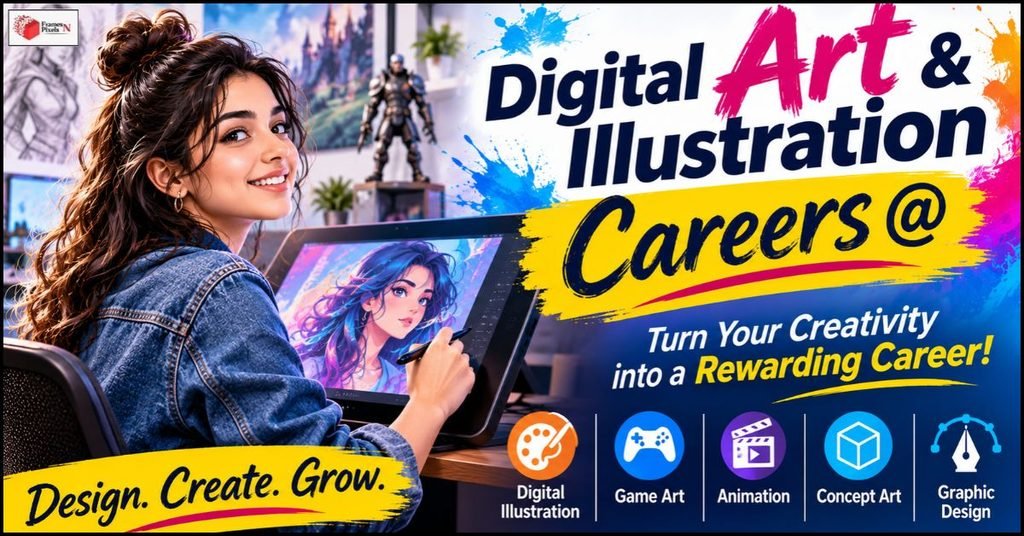
Digital art and illustration have become important parts of today’s creative industry. From animated films and video games to advertising campaigns, book covers, websites, social media content, and digital publications, illustrations help communicate ideas through visual storytelling.
As businesses and entertainment platforms increasingly use digital content, creative professionals who can combine artistic skills with digital tools have opportunities to explore different career paths.
A career in digital art and illustration is not limited to creating beautiful drawings. It also involves understanding visual communication, colour theory, composition, storytelling, design principles, and the ability to bring ideas to life using digital software.
For students who enjoy drawing, designing characters, creating visual concepts, or experimenting with technology, digital art can offer an exciting creative direction.
At Frames N Pixels, students can explore creative fields such as graphic design, animation, VFX, motion graphics, video editing, and game design. Developing artistic abilities alongside technical skills can help aspiring creatives prepare for opportunities in the digital media industry.
In this blog, we will explore what digital art and illustration involve, the career opportunities available, the skills students need, and how to begin building a successful career in this field.
1. What Is Digital Art and Illustration?
Digital art is artwork created or developed using digital devices and software. Artists use tools such as drawing tablets, styluses, computers, and creative applications to produce illustrations, paintings, designs, and visual concepts.
Digital illustration is a specialised form of digital art that communicates an idea, story, character, or concept through visual imagery.
Some common forms of digital art and illustration include:
- Character illustrations
- Concept art
- Digital painting
- Book and editorial illustrations
- Comic and graphic novel artwork
- Game environment illustrations
- Advertising illustrations
- Children’s book artwork
- Social media graphics
- Vector illustrations
- Fantasy and science-fiction artwork
Digital artists can work independently, join creative studios, collaborate with design teams, or develop their own creative businesses.
2. Why Choose a Career in Digital Art and Illustration?
Digital art combines creativity with technology. It allows artists to experiment with different styles, develop original concepts, and create artwork for various platforms.
Here are some reasons students consider this career path.
A. Multiple Creative Opportunities
Digital illustration is used in entertainment, publishing, gaming, advertising, education, marketing, and digital communication. This gives artists different industries to explore based on their interests and strengths.
B. Freedom to Explore Different Art Styles
Digital tools allow artists to experiment with colours, brushes, textures, layers, and visual effects. Artists can develop their own style, whether they prefer realistic artwork, cartoon illustrations, minimal designs, or fantasy concepts.
C. Opportunities to Work on Diverse Projects
A digital artist may create a character for a game, illustrate a book, design a promotional visual, or develop concepts for an animated production. Every project can offer a different creative challenge.
D. Freelancing and Independent Work
Artists can build portfolios, connect with clients, and offer illustration services independently. Freelancing can provide flexibility, although it also requires business skills, communication, planning, and consistent client management.
E. Continuous Learning and Creative Growth
Digital art software and production techniques continue to evolve. Artists who regularly practise, explore new tools, and improve their creative skills can expand their professional capabilities.
3. Career Opportunities in Digital Art and Illustration
Digital art skills can be applied across several creative industries. Here are some career options students can explore.
1. Digital Illustrator
Digital illustrators create artwork for websites, advertisements, publications, marketing campaigns, and digital platforms.
Responsibilities may include:
- Creating original illustrations
- Developing visual concepts
- Following creative briefs
- Selecting colours and composition
- Preparing artwork for digital or print use
2. Character Designer
Character designers develop the appearance, personality, and visual identity of characters used in animation, gaming, comics, and entertainment.
Responsibilities may include:
- Designing original characters
- Creating character expressions and poses
- Developing costume and appearance concepts
- Preparing character turnaround sheets
- Collaborating with animators and creative teams
3. Concept Artist
Concept artists help visualise ideas before they move into production. They create early designs for characters, environments, props, costumes, and other visual elements.
Responsibilities may include:
- Developing visual concepts
- Creating mood boards and sketches
- Designing environments and objects
- Exploring different visual styles
- Working with art directors and production teams
4. Game Artist
Game artists create visual elements used in video games. Their work may include characters, environments, props, textures, and other game assets.
Responsibilities may include:
- Creating game-related artwork
- Designing characters and environments
- Developing concept illustrations
- Preparing visual assets
- Collaborating with game designers and developers
5. Comic and Graphic Novel Artist
Comic artists use illustrations to communicate stories through characters, scenes, expressions, and sequential panels.
Responsibilities may include:
- Developing storyboards and comic panels
- Designing characters
- Creating backgrounds
- Maintaining visual consistency
- Working with writers and publishers
6. Children’s Book Illustrator
Children’s book illustrators create engaging visuals that support stories and help young readers understand characters, settings, and events.
Responsibilities may include:
- Creating colourful illustrations
- Designing characters and backgrounds
- Following a story’s visual direction
- Maintaining consistency across pages
- Preparing artwork for publication
7. Advertising and Marketing Illustrator
Brands and advertising agencies use illustrations to communicate messages, promote products, and create memorable visual campaigns.
Responsibilities may include:
- Creating campaign illustrations
- Designing promotional artwork
- Developing visual concepts
- Supporting branding projects
- Creating graphics for digital platforms
8. Storyboard Artist
Storyboard artists translate scripts and creative ideas into a sequence of visual frames. Their work helps production teams plan scenes, camera angles, actions, and storytelling.
Responsibilities may include:
- Creating scene-by-scene illustrations
- Planning camera compositions
- Showing character actions
- Communicating visual storytelling
- Working with directors and production teams
9. Editorial Illustrator
Editorial illustrators create artwork for magazines, newspapers, blogs, articles, and online publications. Their illustrations help explain or support written content.
Responsibilities may include:
- Understanding article topics
- Developing visual concepts
- Creating relevant illustrations
- Following publication guidelines
- Meeting editorial deadlines
10. Freelance Digital Artist
Freelance digital artists work independently with clients, businesses, publishers, agencies, and content creators.
Possible freelance services include:
- Digital portraits
- Character illustrations
- Book illustrations
- Social media artwork
- Concept art
- Custom digital paintings
- Promotional illustrations
Freelancers need to manage their projects, communicate with clients, agree on pricing, and deliver work according to deadlines.
4. Essential Skills Required for a Digital Artist
To build a career in digital art and illustration, students should develop both artistic and technical abilities.
A. Drawing Fundamentals
Understanding basic drawing principles helps artists create convincing and visually appealing artwork.
Important areas include:
- Line quality
- Shape and form
- Perspective
- Proportion
- Anatomy
- Light and shadow
- Composition
Even artists who work mainly with digital tools benefit from practising traditional drawing fundamentals.
B. Colour Theory
Colour plays an important role in communicating mood, emotion, atmosphere, and visual hierarchy.
Digital artists should understand:
- Primary and secondary colours
- Colour harmony
- Contrast
- Warm and cool colours
- Colour palettes
- Light and shadow
C. Digital Painting Techniques
Digital painting involves using software tools to create artwork through brushes, layers, textures, blending modes, and other techniques.
Practising different digital painting methods can help artists develop their own visual style.
D. Character and Environment Design
Character and environment design are useful skills for animation, gaming, comics, and entertainment.
Artists should understand how to create characters with distinctive appearances and environments that support the story or visual concept.
E. Software Knowledge
Digital artists should learn tools that match their chosen specialisation.
Some commonly used applications include:
- Adobe Photoshop: Digital painting, image editing, and concept development.
- Adobe Illustrator: Vector illustrations, icons, and scalable graphics.
- Procreate: Digital drawing and painting, particularly on iPad.
- Krita: Digital painting and illustration.
- Clip Studio Paint: Illustration, comics, and manga artwork.
- Blender: 3D modelling, sculpting, and visual development.
Software requirements vary between studios and projects, so students should focus on mastering tools relevant to their career goals rather than trying to learn every application at once.
5. How to Start a Career in Digital Art and Illustration
Starting a career in digital art requires consistent practice, learning, and the development of a strong body of work.
Follow these steps to begin your journey.
Step 1: Build Your Drawing Foundation
Start by practising basic drawing skills. Explore shapes, proportions, perspective, anatomy, and composition.
You can practise with everyday objects, human figures, landscapes, and simple character designs.
Step 2: Learn Digital Art Software
Choose a suitable digital art application and understand its basic tools. Learn how to use layers, brushes, selections, masks, colour adjustments, and export settings.
Begin with simple exercises and gradually move towards more detailed illustrations.
Step 3: Experiment with Different Art Styles
Explore realistic illustrations, cartoons, vector art, fantasy artwork, character concepts, and digital painting.
Experimentation can help you identify the style and specialisation that interest you most.
Step 4: Create Personal Projects
Do not wait for professional assignments to begin creating artwork.
You can develop:
- Original character designs
- Fantasy environments
- Digital portraits
- Book cover concepts
- Comic illustrations
- Game asset concepts
- Social media illustrations
Personal projects help you practise creative thinking and build portfolio material.
Step 5: Develop a Professional Portfolio
A portfolio is one of the most useful tools for presenting your abilities.
Include your strongest work and organise it according to your specialisation. You can also add short project descriptions explaining the objective, creative process, and tools used.
Platforms such as Behance and ArtStation can help artists showcase their work online.
Step 6: Learn from Feedback
Share your artwork with teachers, mentors, peers, and creative communities. Constructive feedback can help you identify mistakes, improve techniques, and develop your visual style.
Step 7: Explore Industry Opportunities
Look for internships, junior creative roles, freelance projects, and collaborative opportunities.
Read job descriptions to understand the skills, software, and portfolio requirements expected by employers.
Step 8: Keep Improving Your Skills
The creative industry changes continuously. Practise regularly, explore new techniques, and update your portfolio with stronger projects.
Frequently Asked Questions (FAQs)
1. What is digital art and illustration?
Digital art and illustration involve creating visual artwork using digital devices and software. It includes digital painting, character design, concept art, comics, vector illustrations, and other forms of digital imagery.
2. Is digital art a good career option?
Digital art can be a suitable career path for people who enjoy drawing, visual storytelling, design, and technology. Opportunities depend on artistic ability, technical skills, specialisation, portfolio quality, and industry requirements.
3. What jobs can I get after learning digital illustration?
Possible career roles include digital illustrator, character designer, concept artist, game artist, storyboard artist, comic artist, children’s book illustrator, and freelance digital artist.
4. Do I need drawing skills to become a digital artist?
Drawing fundamentals are helpful for most illustration roles. Understanding shapes, proportions, perspective, anatomy, and composition can improve the quality of digital artwork. The level of drawing skill required depends on the chosen specialisation.
5. Which software is best for digital art and illustration?
Popular options include Adobe Photoshop, Adobe Illustrator, Procreate, Krita, Clip Studio Paint, and Blender. The best application depends on the type of artwork you want to create.
Stay Connected with Frames N Pixels
Follow Frames N Pixels for creative learning updates, student projects, course information, events, and inspiration.
- Website:https://www.arenavirar.com/arena-animation-vfx-animation-course/
- Instagram: https://www.instagram.com/arenaanimation_mv/
- Facebook:https://www.facebook.com/people/Arena-Animation-Mira-Road-Virar/61559584420604/
- LinkedIn: https://www.linkedin.com/in/arena-animation-mira-road-virar-66078a1b2/
- YouTube:https://www.youtube.com/@arenaanimationvirar4423