
Turn creative skills into real career opportunities.
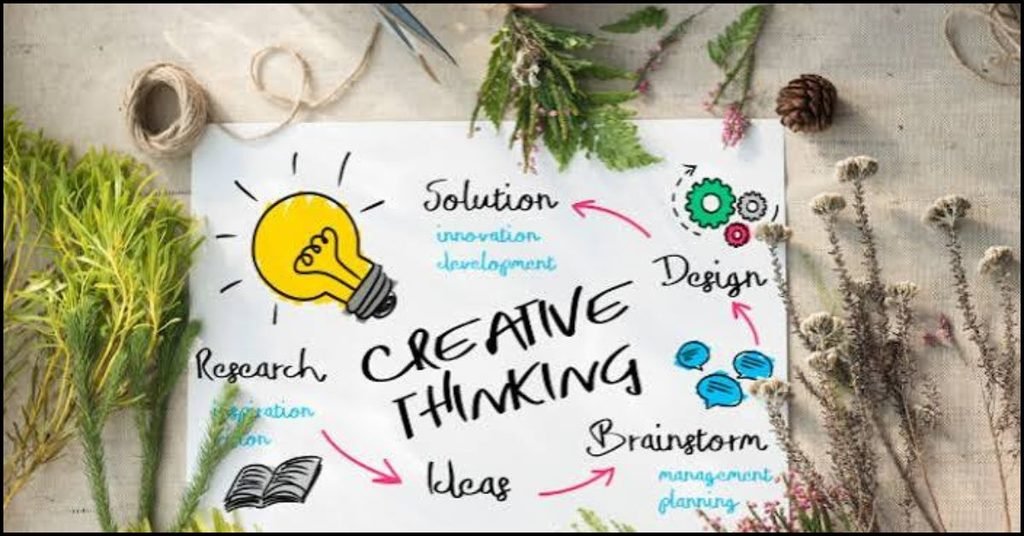
Creativity is more than a hobby. In today’s digital world, it can become the foundation of a rewarding professional career. From designing eye-catching advertisements and creating animated characters to editing videos and developing visual effects, creative skills are becoming valuable across many industries.
Businesses, entertainment companies, advertising agencies, gaming studios, and digital platforms use creative content to communicate ideas, connect with audiences, and build their brands. This creates opportunities for people who enjoy art, technology, design, and storytelling.
However, turning creativity into a profession requires more than talent alone. Students need the right skills, practical experience, industry knowledge, and the confidence to present their work professionally. This is where creative courses can make a difference.
At Frames N Pixels, aspiring creative professionals can explore learning opportunities in fields such as animation, VFX, graphic design, video editing, and motion graphics.
In this blog, we will explore how creative courses help students develop practical skills, discover career opportunities, build portfolios, and take their first steps towards professional success.
What Are Creative Courses?
Creative courses are learning programmes designed to help students develop artistic, technical, and problem-solving skills that can be applied to professional work.
Unlike learning only through theory, a practical creative course can introduce students to industry-relevant software, design principles, project workflows, and assignments that help them apply what they learn.
Depending on the programme, creative courses may cover areas such as:
- Animation: Bringing characters, objects, and stories to life through movement.
- Visual Effects (VFX): Creating or enhancing digital visuals for films, advertisements, and other media.
- Graphic Design: Communicating ideas through layouts, typography, images, and visual identity.
- Video Editing: Turning raw footage into engaging videos through editing, sound, transitions, and colour correction.
- Motion Graphics: Combining graphic design and animation to communicate ideas through movement.
- Game Design: Developing interactive experiences through gameplay concepts, environments, mechanics, and design.
Each field has different requirements, so students should choose a course based on their interests, career goals, and preferred way of working.
How Creative Courses Turn Passion into Professional Skills
Having a creative interest is an excellent starting point, but professional work requires the ability to turn ideas into finished results. Creative courses can help students develop that ability step by step.
1. They Help You Build Strong Fundamentals
Every creative profession has basic principles that support good work.
Graphic designers need to understand colour theory, typography, composition, and visual hierarchy. Animators need to understand movement, timing, and storytelling. Video editors need to learn pacing, continuity, and sound.
Learning these fundamentals helps students make informed creative decisions instead of relying only on trial and error.
2. They Introduce Industry-Relevant Software
Creative professionals use specialised tools to complete their work efficiently.
Depending on the field, students may learn software such as Adobe Photoshop, Illustrator, After Effects, Premiere Pro, Blender, or other relevant applications.
The goal is not simply to learn where each tool is located. Students should understand how to use software to solve creative problems and complete projects that meet a brief.
3. They Provide Opportunities for Practical Learning
Practical assignments help students apply classroom knowledge to realistic situations.
For example, a graphic design student might create a brand identity, while a video editing student might produce a promotional video. An animation student might develop a short animated sequence.
These projects help students understand the creative process, identify mistakes, and improve through feedback.
4. They Develop Problem-Solving Skills
Creative work often involves challenges. A design may not communicate the intended message, an animation may look unnatural, or a video may lack a clear flow.
Structured learning and project practice can help students analyse these problems, test solutions, and refine their work.
This ability to solve problems is valuable in professional environments where clients and teams expect creative work to meet specific objectives.
5. They Build Confidence
Students often begin with limited experience and may feel unsure about their abilities. Completing projects, receiving constructive feedback, and improving their results can help them become more confident.
Over time, students learn to explain their ideas, present their work, accept revisions, and collaborate with others.
Confidence becomes especially useful during interviews, portfolio reviews, client discussions, and professional presentations.
How Creative Courses Connect Learning with Real Careers
A creative course can provide a foundation for professional development, but career readiness comes from combining learning with practice and preparation.
Here is how the journey can work.
Step 1: Discover Your Creative Interest
Start by identifying the activities you enjoy most.
Do you like drawing, designing layouts, creating videos, building digital worlds, animating characters, or developing interactive experiences?
Exploring your interests can help you choose a specialisation that suits your strengths and goals.
Step 2: Choose a Suitable Course
Research the available courses and compare their curriculum, duration, practical assignments, software training, and eligibility requirements.
Look for programmes that help you develop both fundamental knowledge and practical skills.
It is also useful to ask about portfolio development, instructor feedback, and career guidance before enrolling.
Step 3: Practise Through Projects
Do not limit your learning to classroom assignments. Create additional projects that challenge you to use your skills in different ways.
For example, you could design a campaign for a fictional brand, edit a short film, create a motion graphics advertisement, or develop a simple 3D environment.
Regular practice helps you understand what you can do independently and which areas need improvement.
Step 4: Build a Professional Portfolio
A portfolio is a collection of work that demonstrates your skills and creative approach. It helps employers and clients understand what you can produce.
A strong portfolio should include your best work, not simply every project you have completed.
Depending on your specialisation, it may contain:
- Graphic design projects and branding concepts
- Animation clips and character studies
- VFX shots and before-and-after breakdowns
- Edited videos and promotional content
- Motion graphics and animated advertisements
- Game art, environment concepts, or interactive prototypes
For additional guidance, see the University of Oxford’s resource on creative portfolios, CVs, and applications.
Step 5: Prepare for Professional Opportunities
Once you have developed relevant skills and selected portfolio projects, begin exploring opportunities that match your abilities.
These may include internships, junior positions, freelance assignments, collaborative projects, or entry-level roles.
Prepare a clear resume, organise your portfolio, and practise explaining the ideas and techniques behind your work.
Your first opportunity may be a learning experience rather than your ideal position. Use it to gain experience, improve your professional habits, and understand how creative teams operate.
Career Opportunities After Creative Courses
One of the biggest advantages of creative learning is the variety of professional paths available. Your opportunities will depend on your specialisation, skill level, portfolio, and experience.
<text strong>Graphic Design</text>
Graphic design skills can lead to roles such as:
- Junior Graphic Designer
- Brand Designer
- Social Media Designer
- Advertising Designer
- Visual Communication Designer
- Freelance Graphic Designer
Graphic designers create visual content for brands, marketing campaigns, websites, publications, packaging, and digital platforms.
<text strong>Animation and VFX</text>
Students who develop animation or VFX skills may explore roles such as:
- 2D or 3D Animator
- Junior VFX Artist
- Compositing Artist
- Rotoscoping Artist
- 3D Modelling Artist
- Lighting Artist
These professionals help create animated content, enhance live-action footage, and develop digital visuals for entertainment and commercial projects.
<text strong>Video Editing and Motion Graphics</text>
Possible career paths include:
- Video Editor
- Motion Graphics Designer
- Content Editor
- Promotional Video Editor
- Junior Motion Designer
- Freelance Video Creator
These roles support advertising, social media, entertainment, educational content, and digital marketing.
<text strong>Game Design and Digital Content</text>
Depending on the course and portfolio, students may also explore entry-level opportunities in game art, level design, environment design, interactive media, and related digital production roles.
Creative courses do not guarantee a particular job or salary. Building skills, gaining experience, and developing a strong portfolio are important parts of becoming competitive for professional opportunities.
Why Practical Experience Matters More Than Learning Software Alone
Software is an important part of creative work, but employers and clients also need to see how you use it.
Imagine two students who know the same editing software. One can explain the interface and tools, while the other can take raw footage, organise a sequence, improve the pacing, add suitable sound, and deliver a polished video.
The second student has demonstrated how technical knowledge can be applied to a real task.
This is why practical projects matter. They help students demonstrate their ability to:
- Understand a creative brief
- Plan and organise their work
- Apply the right techniques
- Respond to feedback
- Meet deadlines
- Deliver a complete result
The same principle applies to graphic design, animation, VFX, motion graphics, and other creative fields.
The Role of Technology and AI in Creative Careers
Creative industries continue to evolve as software and AI-powered tools introduce new ways to generate ideas, edit content, and complete selected tasks.
For example, designers may use AI-assisted tools to explore visual concepts, while video editors may use automated features to support transcription or editing workflows. Animators and VFX artists may also experiment with new tools for reference generation and selected production tasks.
However, technology does not remove the need for creative thinking. Professionals must still understand composition, storytelling, visual consistency, audience needs, and quality standards.
Students can prepare by learning the fundamentals first and then exploring relevant new tools responsibly. The most useful approach is to understand both the technology and the creative decisions behind the final result.
Why Choose Frames N Pixels for Your Creative Learning Journey?
Choosing where to learn is an important decision when planning a creative career.
Frames N Pixels offers creative and digital media training options for aspiring students. If you are interested in animation, VFX, graphic design, video editing, or motion graphics, explore the available programmes and check which one aligns with your goals.
Before choosing a course, consider asking about:
- Course curriculum and duration
- Practical projects and assignments
- Software covered during training
- Portfolio development
- Feedback and mentoring
- Career guidance and placement assistance, where available
A good learning plan should help you understand the subject, practise your skills, and prepare examples of your work that demonstrate your abilities.
Explore the official website: Frames N Pixels.
Remember that your progress also depends on consistent practice, curiosity, and the effort you put into improving beyond the classroom.
Tips for Turning Creative Skills into a Career
If you want to make a profession out of your creativity, these habits can help you move forward.
Practise consistently: Set aside time to work on projects and improve your technical skills.
Learn from feedback: Use constructive criticism to identify weaknesses and strengthen your work.
Stay updated: Explore relevant software updates, industry workflows, and new creative techniques.
Create personal projects: Develop original work that reflects your interests and creative thinking.
Build your online presence: Share selected projects on professional platforms and maintain an organised portfolio.
Collaborate with others: Working with other creative people helps you understand teamwork, communication, and project requirements.
Keep realistic goals: Focus on improving your skills and gaining experience rather than expecting instant success.
Frequently Asked Questions (FAQs)
1. How do creative courses help students build careers?
Creative courses can help students develop technical knowledge, learn industry-relevant software, practise through projects, and prepare portfolios. These skills can support applications for internships, entry-level roles, and freelance opportunities.
2. Which creative course is best for a beginner?
The right course depends on your interests. Graphic design may suit students who enjoy visual communication, while animation and VFX may appeal to those interested in digital storytelling. Video editing and motion graphics may suit students who enjoy creating moving content.
3. Can creative courses lead to jobs after the 12th standard?
Yes, students can explore suitable creative courses after completing the 12th standard, subject to the eligibility requirements of each programme. Career opportunities depend on the skills they develop, their portfolio, and the roles available.
4. Do I need to be naturally talented to learn creative skills?
Natural interest can help, but creativity can also be developed through learning, observation, experimentation, and regular practice. Beginners can improve gradually by understanding fundamentals and completing projects.
5. Is a portfolio important for creative careers?
Yes. A portfolio gives employers and clients examples of your work and helps them assess your skills, style, and problem-solving ability. It should be relevant to the type of role you want.
6. Can I work as a freelancer after learning graphic design or video editing?
Freelancing is one possible path. To succeed, you need relevant skills, a portfolio, communication abilities, time management, and the ability to understand client requirements. Building a reliable client base usually takes time.
7. What jobs can I pursue after learning animation and VFX?
Depending on your specialisation and skill level, you may explore roles such as animator, junior VFX artist, compositing artist, rotoscoping artist, or 3D modelling artist.
8. Are creative careers only available in the entertainment industry?
No. Creative professionals also work in advertising, education, e-commerce, technology, digital marketing, publishing, gaming, and many other sectors.
9. How can I improve my chances of getting my first creative job?
Focus on learning the fundamentals, completing practical projects, building a strong portfolio, preparing a professional resume, and applying for roles suited to your current abilities. Internships and collaborative projects may also help you gain experience.
10. Where can I explore creative courses at Frames N Pixels?
Visit www.framesnpixels.com to explore available programmes and contact the institute for current information about course details, eligibility, and training options.
External Resources for Creative Career Development
Explore these resources for additional information and career guidance:
- Adobe Creative Cloud India: How to Become a Graphic Designer in India — learn about graphic design skills, portfolios, and career paths.
- University of Oxford Careers Service: Creative Portfolios, CVs, and Applications — guidance on presenting creative work to employers.
- National Career Service, Government of India: Explore Career and Employment Resources — discover career guidance, job opportunities, and other employment resources.
Follow Frames N Pixels on Social Media
Stay connected with Frames N Pixels for creative inspiration, course updates, student activities, and learning opportunities.
- Website: https://www.arenavirar.com/arena-animation-vfx-animation-course/
- Instagram:https://www.instagram.com/arenaanimation_mv/
- Facebook:https://www.facebook.com/people/Arena-Animation-Mira-Road-Virar/61559584420604/
- LinkedIn: https://www.linkedin.com/in/arena-animation-mira-road-virar-66078a1b2/
- YouTube:https://www.youtube.com/@arenaanimationvirar4423