
Explore the creative process and technology behind stunning visual effects.
Introductions
When audiences watch a blockbuster film, web series, advertisement, or video game, they often see breathtaking worlds, impossible creatures, massive explosions, futuristic cities, and magical environments. What viewers may not realize is the enormous amount of creative and technical work that happens behind the scenes to bring these visuals to life.
This is where Visual Effects (VFX) play a crucial role.
VFX combines creativity, technology, storytelling, and problem-solving to create visuals that may be difficult, dangerous, expensive, or impossible to capture with a traditional camera. From the initial planning of a shot to the final composited frame, VFX production involves multiple stages and specialized professionals working together.
For students interested in animation, filmmaking, gaming, and digital content creation, understanding the VFX pipeline can provide valuable insight into how the industry works. At Frames N Pixels, students are introduced to creative and technical skills that can help them explore exciting opportunities in the animation and VFX industry.
What Are Visual Effects?
Visual Effects, commonly known as VFX, are digitally created or enhanced visual elements used in films, television, advertisements, games, and other forms of media.
VFX can be used to:
- Create imaginary environments
- Add digital characters
- Generate explosions and natural disasters
- Remove unwanted objects
- Enhance backgrounds
- Create futuristic locations
- Modify weather conditions
- Combine live-action footage with CGI
The goal is often to make digital elements look as realistic and believable as possible while supporting the story.
The VFX Creation Process: From Idea to Final Shot
Creating a professional VFX shot is a collaborative process that involves multiple stages.
1. Pre-Production and Planning
The VFX process often begins before filming starts.
During pre-production, creative teams discuss:
- Story requirements
- Shot design
- Camera angles
- Visual references
- Special effects requirements
- CGI elements
- Production challenges
Detailed planning helps filmmakers determine which elements should be created practically and which should be enhanced digitally.
2. Concept Art and Visual Development
Before creating complex digital assets, artists develop visual concepts.
Concept artists may design:
- Characters
- Environments
- Creatures
- Vehicles
- Futuristic cities
- Fantasy worlds
These designs provide visual direction for the rest of the VFX team.
3. Production and Live-Action Filming
Once the visual plan is ready, live-action footage is captured.
Depending on the project, filmmakers may use:
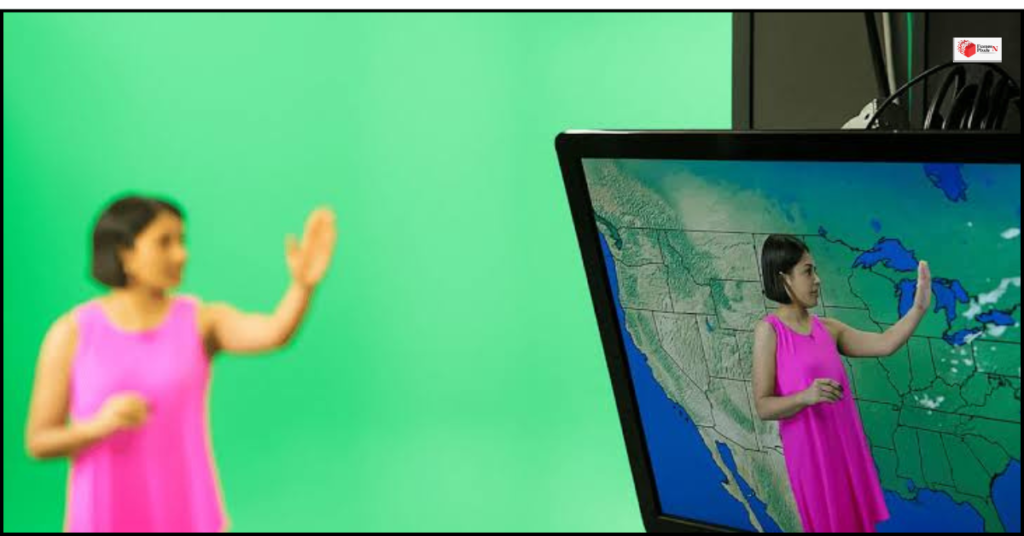
- Green screens
- Blue screens
- Motion capture
- Tracking markers
- Practical effects
- Special cameras
VFX teams may work closely with cinematographers to ensure that the footage contains the information needed for digital post-production.
4. Asset Creation and 3D Modeling
For projects requiring digital characters or objects, 3D artists create detailed models.
These assets may include:
- Characters
- Buildings
- Vehicles
- Creatures
- Props
- Environments
The models are then prepared for further stages of production.
5. Texturing and Shading
A 3D model needs realistic surface details to look believable.
Artists create textures that define:
- Skin
- Metal
- Wood
- Stone
- Fabric
- Glass
Shading techniques help determine how surfaces respond to light.
6. Rigging and Animation
If a digital character needs to move, it must be prepared for animation.
Rigging involves creating a digital skeleton or control system that allows animators to move the character.
Animators then create:
- Walking cycles
- Facial expressions
- Action sequences
- Character performances
- Object movements
This stage brings digital assets to life.
7. Lighting and Rendering
Lighting plays a major role in making CGI look realistic.
VFX artists carefully match:
- Light direction
- Shadow intensity
- Color temperature
- Reflections
- Highlights
The scene is then rendered to produce high-quality visual frames.
8. Compositing
Compositing is one of the final stages of VFX production.
Compositors combine multiple elements, such as:
- Live-action footage
- CGI characters
- Digital environments
- Visual effects
- Background plates
They ensure that all elements appear to belong in the same scene.
The final goal is to create a seamless image that audiences can accept as part of the story.
The Importance of Teamwork in VFX
Large VFX productions require collaboration between specialized professionals.
A typical VFX team may include:
- VFX Supervisors
- Concept Artists
- 3D Modelers
- Texture Artists
- Riggers
- Animators
- Lighting Artists
- FX Artists
- Rotoscope Artists
- Matchmove Artists
- Compositors
Each department contributes to the final result. Effective communication and teamwork are therefore essential skills for anyone planning a career in VFX.
Technology Behind Modern VFX
The VFX industry continues to evolve with advances in technology.
Modern productions may use:
- 3D modeling
- CGI
- Motion capture
- Virtual production
- Real-time rendering
- Artificial intelligence-assisted tools
- Game engines
- Cloud-based collaboration
Software and platforms commonly used across different areas of the industry include:
- Autodesk Maya
- Blender
- Houdini
- Nuke
- Adobe After Effects
- Adobe Photoshop
- Unreal Engine
- Unity
Adobe Creative Cloud:
https://www.adobe.com/creativecloud.html
As technology continues to develop, creative professionals must continuously update their skills to remain competitive.
Where VFX Professionals Work
VFX artists can find opportunities across multiple industries, including:
- Film production
- OTT and streaming content
- Television
- Advertising
- Gaming
- Animation
- Virtual production
- Music videos
- Digital marketing
- Architectural visualization
The Indian media and entertainment industry continues to create opportunities for professionals with specialized creative and technical skills.
Industry insights:
https://www.ibef.org/industry/media-entertainment-india
Career Opportunities in VFX
Students interested in VFX can explore careers such as:
- VFX Artist
- 3D Modeler
- Texture Artist
- Character Artist
- Rotoscope Artist
- Matchmove Artist
- Compositor
- Lighting Artist
- FX Artist
- 3D Animator
- Virtual Production Artist
With experience and specialization, professionals can progress toward senior artist, lead artist, VFX supervisor, or creative director positions.
Skills Needed for a Successful VFX Career
Technical knowledge is important, but successful VFX artists also need strong creative and professional skills.
Important qualities include:
- Creativity
- Observation
- Attention to detail
- Problem-solving
- Patience
- Storytelling
- Understanding of light and perspective
- Teamwork
- Communication
- Continuous learning
Understanding real-world physics, photography, and cinematography can also help artists create more realistic visual effects.
How Frames N Pixels Prepares Students for the VFX Industry
At Frames N Pixels, students receive practical and industry-oriented training designed to help them understand the creative and technical aspects of animation and VFX.
Students benefit from:
✔ Hands-on practical projects
✔ Industry-standard software training
✔ Understanding of creative workflows
✔ Portfolio development
✔ Guidance from experienced mentors
✔ Exposure to real-world production concepts
✔ Career guidance and placement assistance
Explore the institute and its creative programs:
Through structured learning and practical experience, students can develop the skills and confidence required to explore careers in VFX, animation, gaming, and digital content production.
Frequently Asked Questions (FAQs)
Q1. What is the first step in creating a VFX shot?
The process generally begins with planning and pre-production. The creative team determines the visual requirements, camera setup, practical elements, and digital effects needed for the shot.
Q2. What is the role of a VFX compositor?
A compositor combines different visual elements, such as live-action footage, CGI, backgrounds, and effects, into one seamless final image.
Q3. Is VFX only used in movies?
No. VFX is also widely used in OTT content, television, advertising, music videos, gaming, virtual production, and digital media.
Q4. Which software is useful for aspiring VFX artists?
Depending on their specialization, artists may learn software such as Autodesk Maya, Blender, Houdini, Nuke, Adobe After Effects, Photoshop, and Unreal Engine.
Q5. What skills are important for a VFX artist?
Creativity, observation, technical knowledge, attention to detail, problem-solving, teamwork, patience, and continuous learning are important skills for a successful VFX career.
Q6. How does Frames N Pixels help students learn VFX?
Frames N Pixels focuses on practical learning, software training, project-based experience, portfolio development, mentorship, and career guidance to help students prepare for creative industry opportunities.
Connect With Frames N Pixels
🌐 Website:
https://www.arenavirar.com/arena-animation-vfx-animation-course/
📸 Instagram:
https://www.instagram.com/arenaanimation_mv/
📘 Facebook:
https://www.facebook.com/people/Arena-Animation-Mira-Road-Virar/61559584420604/
💼 LinkedIn:
https://www.linkedin.com/in/arena-animation-mira-road-virar-66078a1b2/
▶️ YouTube:
https://www.youtube.com/@arenaanimationvirar4423
Closing Thought
The magic of visual effects is often invisible to the audience—and that is what makes great VFX so powerful. When digital elements blend seamlessly with live-action footage, viewers become immersed in the story without thinking about the technology behind it.
Behind every impressive VFX shot is a team of talented artists, technicians, and creative professionals who combine imagination with technical expertise. From concept development and 3D modeling to animation, lighting, rendering, and compositing, every stage contributes to the final visual experience.
For students who are passionate about creativity, technology, filmmaking, and storytelling, VFX offers an exciting career path with opportunities across films, OTT platforms, gaming, advertising, and digital media. With the right training, continuous practice, and a strong portfolio, aspiring artists can turn their creative ideas into professional opportunities.
At Frames N Pixels, students can take their first steps toward understanding the world of visual effects and developing the skills needed to become part of the next generation of creative professionals.